Why Cash Transfers Work: Lessons from Bihar and Beyond
22 Nov 2025
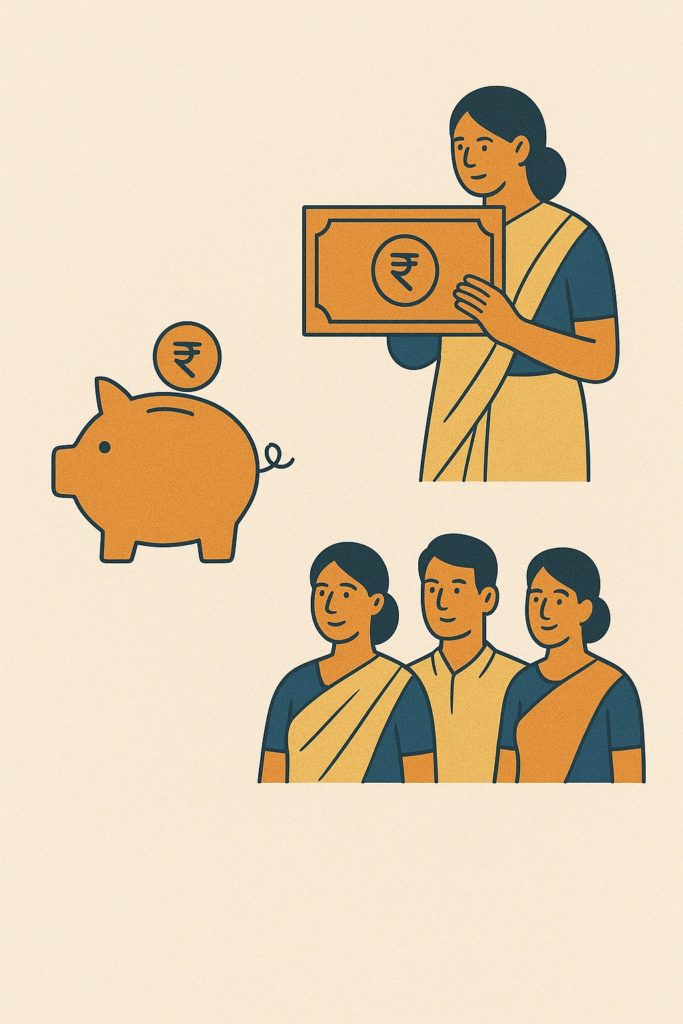
The Bihar election quietly highlighted something much bigger than an electoral result: the growing power of Direct Benefit Transfers (DBTs).
1.5 crore women received ₹10,000 directly.
We can argue about the politics, but the economic impact is worth paying attention to.
1. From Leakage to Delivery
For decades, public money leaked through layers of departments and intermediaries.
With DBTs, a rupee sent is finally a rupee received.
No middlemen. No delays. No “come tomorrow.”
That seems a silent governance revolution.
2. A Step Toward a UBI-like Future
Globally, countries are moving toward Universal Basic Income.
Places like Scandinavia show that when people feel financially secure, they spend more – and that spending fuels growth.
Give Bill Gates another $1,000 and nothing changes. As they say he can’t consume more Pizzas. Give ten families the same amount and the local economy moves instantly.
A basic income also reduces fear. When people know they have a safety net, they take risks, try again, and innovate.
A social security net isn’t a hammock – it’s the wind under the wings of the economy.
3. Politics Is Shifting
When 1.5 crore women receive direct support, they become a new economic constituency.
Voting begins to shift from identity to benefaction to empowerment.
In a way, ₹10,000 becomes a new kind of identity – a new caste!
The Larger Point
DBTs may influence elections, but more importantly, they’re transforming India’s political economy—from leakage to dignity, from fragmentation to empowerment.
Including a link for those who prefer to watch it on my channel.